
How to Plan a Luxury Wedding or Event on the Kohala Coast
To plan a luxury wedding or event on the Kohala Coast, start with your guest count, budget and preferred dates. Then select a venue, assemble an experienced local team, coordinate guest travel and confirm the requirements for your chosen setting. Build weather alternatives and time for guests to relax into the plan from the beginning.
Whether you are organizing a wedding, milestone celebration or corporate gathering on the Island of Hawaiʻi, thoughtful planning makes the experience feel effortless. The following six steps cover the decisions that shape your event, from venue selection and vendor coordination to cultural considerations and the final schedule.
Key Takeaways
-
Set priorities before choosing a venue. Define your guest count, overall budget and essential experiences so you can compare proposals meaningfully.
-
Confirm the details of each location. Ask about capacity, privacy, accessibility, sound restrictions and indoor or covered alternatives.
-
Build an experienced local team. Clarify responsibilities among your planner, venue team and vendors, including who will confirm applicable permits.
-
Make travel part of the guest experience. Coordinate accommodations, airport transfers and a clear itinerary with room for downtime.
-
Seek guidance on Hawaiian cultural elements. Work with knowledgeable cultural practitioners to understand what is appropriate for your celebration.
Step 1: Define What Makes a Luxury Event in Hawaiʻi
A luxury event begins with thoughtful service, a distinctive setting and details that suit your guests. Before comparing venues, decide what you want the gathering to feel like and where you want to invest most.
For a wedding, that might mean an intimate ocean-view ceremony followed by an exceptional dinner. A family celebration might prioritize comfortable accommodations and time together, while a corporate retreat may need productive meeting spaces alongside relaxed social gatherings.
Create a short planning brief that covers:
-
Purpose and atmosphere: Describe the occasion and your preferred style, whether formal, relaxed or a combination.
-
Guest needs: Estimate attendance and identify accessibility, dietary and accommodation considerations.
-
Budget priorities: Choose the elements that matter most, such as dining, entertainment or hosting several days of activities. Account for taxes, service charges, rentals and transportation when evaluating costs.
-
Connection to place: Discuss how local food, music or practitioner-led cultural experiences could meaningfully complement the event.
Use these priorities to guide venue and vendor conversations. A clear brief helps your team recommend appropriate options and explain trade-offs before you commit.
Step 2: Select the Right Venue
Choose a venue that fits your guest count, event format and practical needs as well as your preferred view. Compare how each space would accommodate the full occasion, from arrivals and dining to entertainment and weather alternatives.
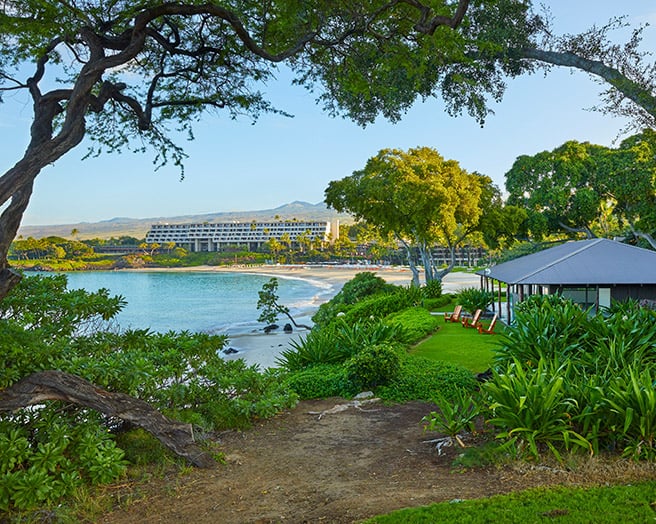
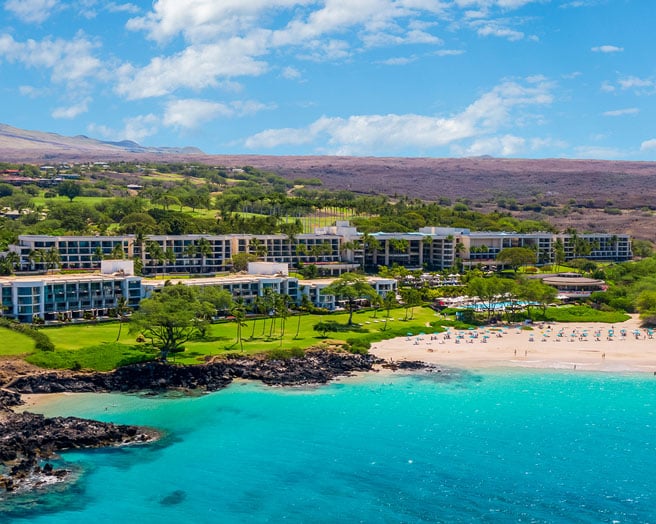
Mauna Kea Resort offers indoor and outdoor settings at Mauna Kea Beach Hotel and The Westin Hapuna Beach Resort for weddings, private celebrations and corporate gatherings (Mauna Kea Resort). At Mauna Kea Beach Hotel, North Pointe Lawn combines a ceremony patio with an adjacent lawn for a reception or dinner, while Kaunaʻoa Ballroom offers an indoor setting with panoramic bay and coastline views (Wedding and Event Spaces).
Use this checklist when discussing options with the venue team:
-
Capacity and layout: How many guests fit comfortably with your proposed dining arrangement, dance floor or presentation setup?
-
Privacy: Which spaces are reserved exclusively for your group, and which remain shared?
-
Weather alternatives: Can an indoor or covered space accommodate the same guest count? What does reserving it cost?
-
Sound and timing: What are the location’s amplified-music cutoff, event end time and vendor setup hours?
-
Guest access: Are routes accessible, and how will guests move between accommodations, ceremony and reception spaces?
-
Total cost: Request an itemized proposal covering venue fees, food and beverage minimums, rentals, staffing, taxes and service charges.
-
Vendor policies: Confirm catering arrangements, outside-vendor restrictions and any insurance requirements.
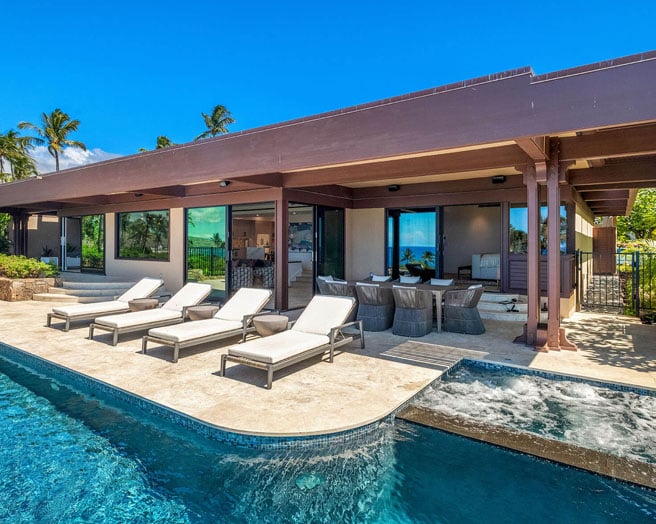
For an estate or vacation rental, obtain written confirmation that your proposed event is permitted before booking. Confirm event authorization separately from overnight accommodation.
Once you have a shortlist, check availability for several dates. Secure your chosen space and weather alternative in the contract, and review deposit, cancellation and room-block terms before committing.
Step 3: Hire Local Vendors and Planners
Build a team with experience at your chosen venue and with events of a similar size and style. Start by clarifying what the venue provides, then hire specialists to fill the remaining needs.
Depending on your plans, your team may include:
-
A full-service planner or event coordinator
-
Catering and bar staff, coordinated through the venue
-
A floral designer and rental supplier
-
A photographer and videographer
-
Musicians, entertainment and audiovisual specialists
-
Guest transportation providers
-
A wedding officiant and, where appropriate, a Hawaiian cultural practitioner
Ask your venue for vendor recommendations, then assess each provider independently. Review complete event galleries, request recent references and use video consultations to discuss your priorities. Ask about experience on the Kohala Coast, backup staffing and how equipment or supplies will reach the site.
Request proposals that identify deliverables, staffing hours, travel or delivery charges, payment schedules and cancellation terms. For corporate events, include microphones, presentation equipment and connectivity requirements in the audiovisual brief.
Before signing, establish who manages the overall timeline, vendor arrivals, guest transportation and weather decisions. Clarify the scope of the venue coordinator’s role and whether you need a separate planner to oversee activities beyond the property.
Keep one shared schedule and contact list, with a designated lead for event-day decisions. This gives vendors a clear point of contact and lets you spend more time with your guests.
Step 4: Address Legal, Travel and Weather Factors
Confirm marriage requirements, permissions for your chosen location and guest transportation before finalizing the schedule. Give your team a clear weather contingency plan, including who decides when to use it.
Marriage licenses and beach permissions
For a legal wedding in Hawaiʻi, complete the online marriage-license application, then appear together before an authorized license agent with valid photo identification and any additional required documents. The fee is $65, including the portal fee. Once issued, the license is valid for 30 days, with no waiting period before the ceremony. Your officiant must also be licensed by the state (Hawaiʻi Department of Health).
For a beach ceremony, have your planner confirm the exact location’s managing agency and permitted uses. The Department of Land and Natural Resources administers Wiki Permits for beach weddings and other commercial activities on unencumbered state shorelines; locations managed by other agencies require authorization through the appropriate authority. Confirm that your proposed setup meets the applicable conditions before booking vendors (DLNR Land Division).
Guest arrivals and transportation
Coordinate flight plans around Kona International Airport (KOA), then arrange transfers to your selected accommodations. Share room-block deadlines, transportation details and an event contact in one accessible itinerary. Encourage guests with essential roles to arrive with a buffer before rehearsals or scheduled activities.
Weather and backup decisions
The Kohala Coast has a dry, sunny climate, but that should not replace a weather contingency plan (Go Hawaiʻi). Ask the venue how it handles wind, rain and heat for your specific space and event time.
Agree on a decision deadline for moving indoors, identify who authorizes the change and confirm any additional costs. Plan shade and drinking water for outdoor gatherings, and have vendors assess how wind could affect décor, microphones and equipment.
Step 5: Personalize and Elevate the Guest Experience
Personalization begins with making guests feel welcome and giving them meaningful ways to enjoy the destination. Choose a few thoughtful details that reflect your occasion, with enough unscheduled time for guests to settle in.
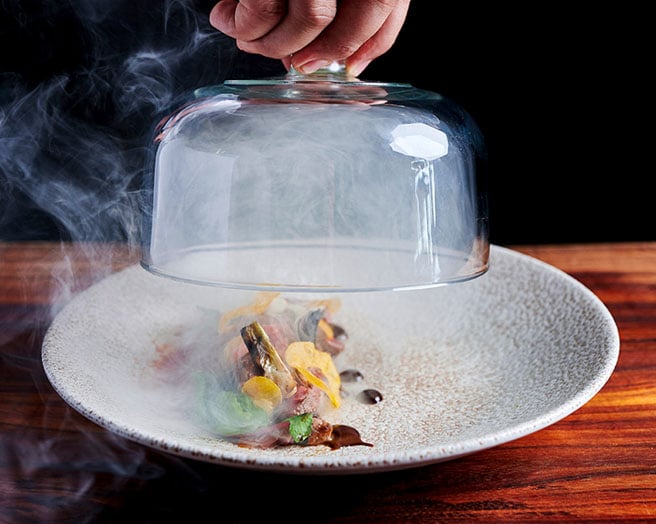
Consider handwritten welcome notes, gifts from local makers or a relaxed arrival gathering. Ask your culinary team to suggest seasonal island ingredients and explain their origins on the menu, while accommodating dietary needs with equal care.
When incorporating culture, distinguish Native Hawaiian traditions from Hawaiʻi’s broader mix of local customs. Lei, for example, can express welcome and mark special occasions, while hula carries cultural, historical and spiritual significance beyond entertainment (Go Hawaiʻi). Invite a knowledgeable Hawaiian cultural practitioner to advise on appropriate participation, explain meaning and guide any protocols. Have Hawaiian-language wording reviewed before printing it in programs or signage.
For time beyond the main event, ask your planner about a small selection of optional experiences:
-
A guided cultural or historical outing
-
A private dinner highlighting local ingredients
-
Spa appointments or a relaxed wellness session
-
A guided ocean excursion suited to guests’ abilities
Confirm availability, accessibility, transportation and cancellation terms before adding activities to the itinerary. Make clear which experiences you are hosting and which guests would pay for themselves. A well-paced schedule lets guests participate comfortably without making every hour a commitment.
Step 6: Follow a Sample Timeline and Checklist
Use this suggested 12–18-month timeline as a starting point, adjusting it to your event’s size and complexity. Your contracts, vendor deadlines and applicable permit requirements should determine the final schedule.
12–18 months before
-
Define your guest count, budget and priorities.
-
Hire your planner and contract the venue, including a weather alternative.
-
Arrange room blocks and send save-the-dates once the date and location are confirmed.
9–12 months before
-
Book key vendors and outline the design.
-
Share accommodation and travel guidance with guests.
-
Discuss any cultural elements with the practitioners who will guide them.
6–9 months before
-
Develop menus and schedule tastings where practical.
-
Plan welcome gatherings, optional activities and transportation.
-
Identify any permit applications and insurance documents needed, with a responsible person and deadline for each.
3–6 months before
-
Finalize the itinerary, invitations and guest-response process.
-
Review accessibility and dietary requests.
-
Confirm rentals, audiovisual needs and vendor access arrangements.
1–2 months before
-
Review guest numbers against contractual deadlines.
-
Confirm payment dates, the event schedule and weather-decision procedures.
-
For weddings, complete the online license application and arrange the in-person appointment for after arrival, within 30 days of the ceremony (Hawaiʻi Department of Health).
Final weeks and arrival
-
Submit final counts, seating plans and meal selections by the venue’s deadlines.
-
Reconfirm transfers and distribute the guest itinerary.
-
Hold a final walkthrough or planning call with your event lead.
-
For weddings, attend the license appointment together with the required documents.
-
Give vendors the final schedule, contact list and contingency instructions.
Keep one current version of the plan and assign someone to communicate changes. If weather or travel disrupts the schedule, your event lead should coordinate the response and update guests as needed.
Frequently Asked Questions About Luxury Events in Hawaiʻi
What is the best time of year for a luxury event on the Kohala Coast?
The best date depends on venue availability, guest schedules and your preferred event format. The Kohala Coast has a generally dry, sunny climate, but no month guarantees ideal outdoor conditions (Go Hawaiʻi). Compare accommodation proposals for several dates and secure a weather alternative before committing.
How do you incorporate Hawaiian traditions respectfully?
Invite a knowledgeable Hawaiian cultural practitioner to guide what is appropriate for your occasion and explain its meaning. Discuss any proposed chant, blessing or performance with that practitioner before including it in the program. Native Hawaiian traditions and Hawaiʻi’s broader local customs have distinct histories; avoid presenting them interchangeably (Go Hawaiʻi).
Can you host a luxury event on a beach, or is a permit required?
A beach ceremony may be possible, but permission depends on the location, managing agency and proposed activities. DLNR’s Wiki Permits program covers beach weddings and other commercial activities on unencumbered state shorelines, subject to its conditions (DLNR Land Division). Have your planner confirm whether your guest count and setup are permitted; do not assume ceremony approval also covers a reception.
What budget should you expect for a high-end wedding or private event in Hawaiʻi?
Build your budget from itemized proposals for your guest count, date and event format. Include the venue, catering, rentals, planning, entertainment, transportation, taxes and service charges, plus any accommodations or activities you will host. A statewide wedding average is not a reliable quote for a particular luxury celebration. Ask your planner to compare options against your priorities and include a contingency allowance.
Bring Your Kohala Coast Celebration Into Focus
Your celebration should leave room for what matters most: sharing the occasion with your guests. With the practical details in trusted hands, you can be present for the ceremony, conversations and moments that make the gathering your own.
To take the next step, explore Mauna Kea Resort’s event spaces and share your preferred dates, approximate guest count and priorities with the events team.